
From the beats of steel drums in Brooklyn to the warm flicker of diyas in homes across the nation, we’ve all experienced the diverse tapestry of celebrations woven by immigrants in the U.S. These holidays are far more than just dates on a calendar; they express identity, memory, and joy.
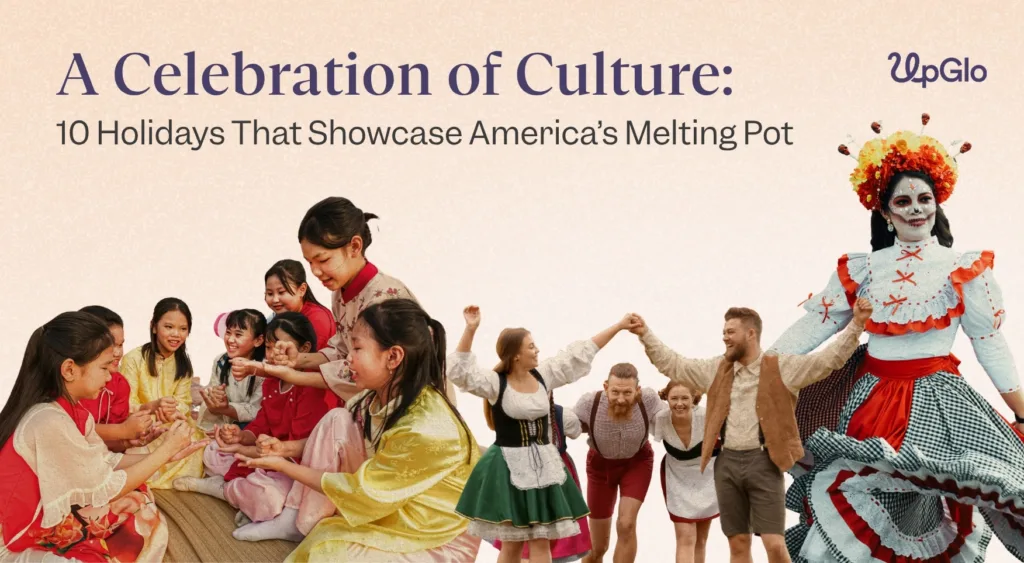
Here’s a look at 10 holidays that reflect the vibrance of immigrant cultures throughout the country. Some of these traditions have evolved, while others have deep historical roots. What they all have in common is their capacity to build connection and community.
Cinco De Mayo
Cinco De Mayo, observed on May 5, commemorates Mexico’s victory in the 1862 Battle of Puebla. While it honors this historical event, it has transformed into a lively celebration in the U.S., featuring traditional foods, mariachi music, folk dancing, and community festivals that showcase Mexican heritage and pride.
West Indian Day Carnival
Grab a flag and dance! The West Indian Day Carnival, also known as the Labor Day Parade, started in Harlem in the 1930s before moving to Brooklyn. It’s one of North America’s largest celebrations honoring Caribbean culture. Inspired by the pre-Lenten carnival of Trinidad and Tobago, the parade features vibrant steel drums, delicious food, and dazzling costumes, attracting millions to Brooklyn’s Eastern Parkway each year.
Oktoberfest
Oktoberfest is Germany’s renowned cultural festival that began in 1810 as a royal wedding celebration and now attracts millions each year. Primarily held in September, it showcases Bavarian traditions with beer tents, lively music, parades, and classic foods like pretzels and sausages. Attendees often don traditional attire like lederhosen for men and dirndls for women.
Día de los Muertos
Día de los Muertos, or the Day of the Dead, is a two-day festival where families come together to honor their loved ones who have passed away. Through colorful ofrendas, marigolds, sugar skulls, and shared meals, families celebrate life and love, turning remembrance into a joyful experience. Primarily celebrated in Mexico and parts of Central and South America, it’s a beautiful way to keep connections alive with our dearly departed.
Diwali
Diwali, or Deepavali, is a five-day Hindu festival of lights that marks the triumph of good over evil and light over darkness. Millions among Hindu, Sikh, and Jain communities celebrate it with the lighting of diyas, colorful rangoli designs, sharing sweets, and spending time with family.
Lunar New Year
Xīnnián kuàilè! Lunar New Year, or the Spring Festival, is a 15-day celebration filled with deep-rooted traditions, such as honoring ancestors, family reunions, and welcoming prosperity. With symbolic foods, vibrant red decorations, and customs like giving red envelopes and fireworks, it captures themes of renewal and togetherness. Lunar New Year is widely celebrated across Asian communities and beyond.
St. Patrick’s Day
Celebrated on March 17, St. Patrick’s Day honors Irish heritage and the legacy of Saint Patrick. Today, it’s a global festivity marked by wearing green, shamrocks, and cheerful parades filled with bagpipes. In New York City, the world’s largest parade takes over Fifth Avenue, while Chicago famously dyes its river green to mark the holiday.
Nowruz
Celebrated by over 300 million people across Iranian and Central Asian cultures, Nowruz, which means “new day,” is a 3,000-year-old Persian New Year celebration. It aligns with the arrival of spring at the Equinox, which means that its traditions symbolize letting go of the past and welcoming in the energy of a new year: spring cleaning, jumping over bonfires, and more. Around March 21st, you might find those who celebrate connecting with loved ones and preparing the haft-sin table with seven symbolic items representing health and prosperity.
Ramadan and Eid al-Fitr
Ramadan is a sacred month of fasting, prayer, and reflection for Muslims worldwide. From dawn to sunset, individuals abstain from food and drink, focusing on spiritual growth and charity. This month culminates in Eid al-Fitr, a day of celebration marked by communal prayers, generosity, feasting, and spending time with family and friends.
Passover
Passover, or Pesach, is a Jewish holiday that commemorates the Israelites’ liberation from slavery in ancient Egypt. The Seder meal, central to the celebration, brings families together to retell the Exodus story using prayers, songs, and symbolic foods. The Seder plate includes items like bitter herbs to represent hardship and charoset to symbolize resilience, while matzah, or unleavened bread, serves as a reminder of the urgency of their escape and the ongoing journey toward freedom.
These traditions are living reminders that bring communities together in ways that are deeply personal and are widely shared. In celebrating them, we honor the many cultures that continue to shape everyday life in the U.S.