

Have you ever heard a story that was so compelling that it completely pulled your focus away from what you were doing?
Well, that’s exactly what a great cover letter does.
For many immigrant professionals who are unsure of how to translate their international experience into the U.S. job market, a cover letter can cause anxiety. How can you fit your whole professional journey into a single page and convince a stranger to call you?
But there’s no need to worry. Because you’ve got the credentials. You’ve got the experience. Let us help with the rest — follow these tips to craft a truly great cover letter.
1.

- Your cover letter should be a maximum of one page, or 400 words, with a 1-inch margin on all sides.
- Choose a clean, legible font like Calibri or Arial. Keep the text size between 10 and 12 points.
- Place your contact information at the top left of the letter, and it should include: name, phone number, email address, and LinkedIn profile or portfolio link.
- Be sure to include the current application date.
2.

Open your cover letter with “Dear [First Name] [Last Name].” You can also use “Dear Hiring Manager” if a name is unavailable. Avoid using generic, outdated greetings such as “To Whom It May Concern.”
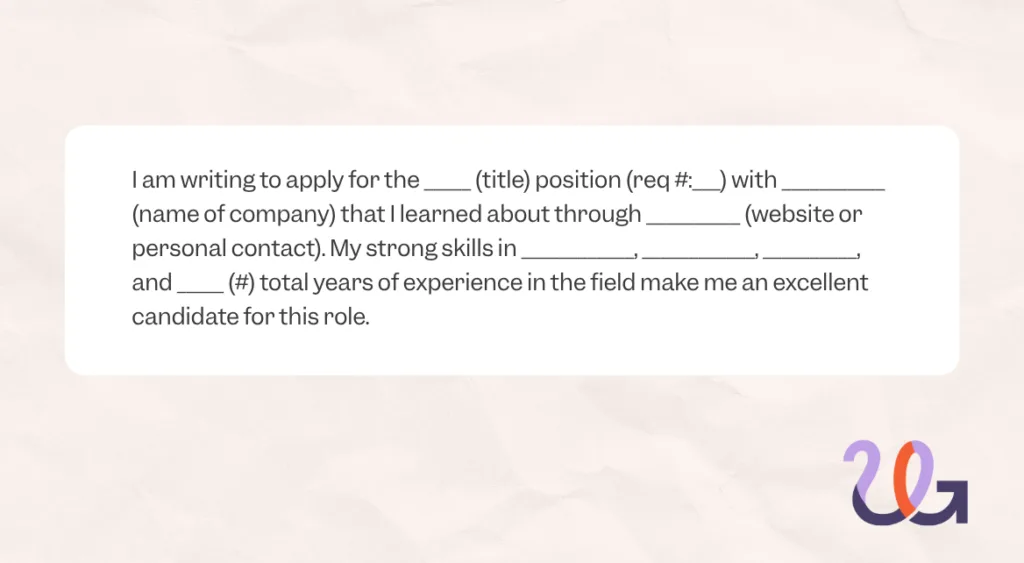
Most cover letters begin with a generic opening such as, “I am writing to express my interest in the position of…” By the time a hiring manager reads this sentence for the hundredth time on your cover letter, they may have already moved on or mentally checked out.
Hiring managers do want an introduction. But that introduction should be designed to make them want to read more.
Open with something specific: a result you’re proud of, a challenge you solved, a reason you care about what this company does. Show them you didn’t just send this letter to anyone. It should be tailored to the company and the role you are applying for, so make sure to research and reference their work wherever it makes sense.
Example:
3.

Your resume already lists what you’ve done. Your cover letter is where you get to explain how you did it because that’s where your personality comes through.
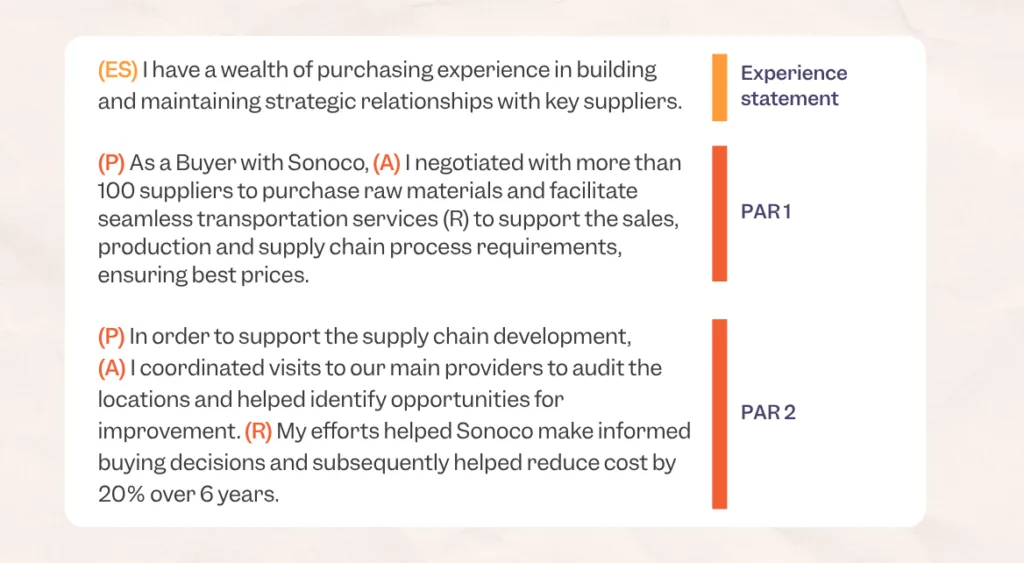
Pick one or two moments from your career that feel most relevant to this role. Maybe it’s a project that came in under budget or a system you improved because you saw a problem no one else had noticed yet. Using the PAR method, describe what happened (P = problem), what you did (A = action), and the result.
This isn’t bragging. This is how hiring managers understand who you are beyond the resume.
If you’re navigating gaps in your U.S. work history, use the letter to address them directly and briefly. Explain what you were doing, what you learned, and why you’re ready now. Honesty paired with confidence is far more compelling than silence.
Example:
4.

Before you write a single word, review the job description thoroughly. What pain points are the position and this team trying to solve? What skills keep showing up? What kind of person are they really looking for?
Your cover letter shouldn’t be about everything you’ve done. It should be about what they need and why you are the answer. A good practice is to use some of the exact words in the job description; i.e., if they are asking for someone with a “track record of meeting or exceeding sales goals,” write:
“For two years straight, I met or exceeded my sales goals, including landing our biggest account in the tech vertical.”
Creating the connection between your background and how you can help the company’s pain points can be the difference between a letter that gets filed away and one that earns a callback.
5.

Thank them for their time, but also use the closing paragraph to tell the hiring manager clearly that you’d welcome the chance to talk. Restate your enthusiasm and include how to reach you.
6.
Read your letter out loud. If it sounds stiff or formal in a way that doesn’t sound like you, rewrite those parts. Ask someone you trust, whether that’s a friend, a mentor, or your UpGlo coach, to read it. Spelling and grammar errors can undercut even the strongest content, and a second reader often catches what you’ve stopped seeing.
Do you need support with crafting a resume and cover letter that stand out? We can help you.
Join our UpGlo Learning to learn more tips as you navigate the path of reclaiming your career.