

Summer reading lists often promise escapism, but sometimes the best books expand our consciousness and require us to consider new realities.
In recognition of World Refugee Day, June 20, 2026, we would like to highlight seven books that move beyond headlines and statistics and take deep dives into themes of identity, belonging, family, displacement, and the complicated process of rebuilding a life. Through memoir, fiction, poetry, and personal storytelling, these narratives feature the memories, resourcefulness, and hope that accompany the journey of migration.
The Ungrateful Refugee: What Immigrants Never Tell You by Dina Nayeri
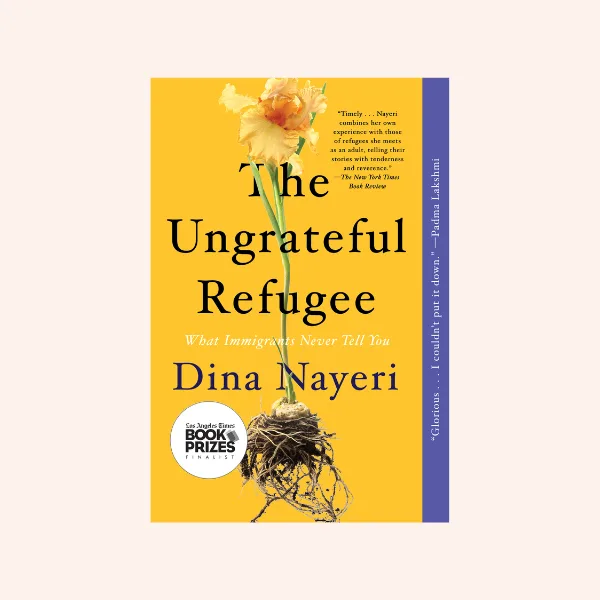
Dina Nayeri’s memoir examines the emotional cost of displacement beyond headlines and statistics, exploring what happens after people flee and begin again. Through intertwined personal stories and lived experiences, she challenges the idea that survival alone should require endless gratitude.
The book unpacks identity, belonging, bureaucracy, and the quiet negotiations refugees make between past and present. Both intimate and raw, the work prompts readers to rethink to whom empathy is extended and under what conditions.
The Refugees by Viet Thanh Nguyen
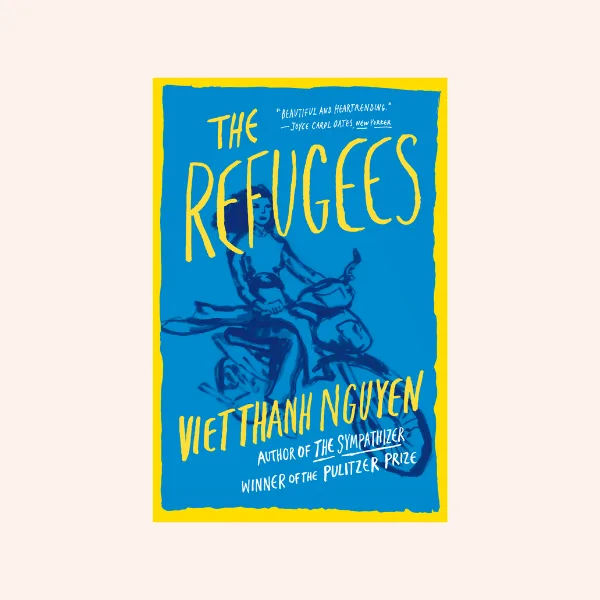
In a collection of short stories, Viet Thanh Nguyen delves into themes of isolation, yearning, familial disconnections, and the peculiar pain of constructing a new existence while bearing the remnants of another.
This compilation, tender yet cutting, subtly leaves a lasting impact, serving as a poignant reminder that migration alters more than just physical location; it transforms those left behind and those compelled to start anew.
The Girl Who Smiled Beads: A Story of War and What Comes After by Clemantine Wamariya and Elizabeth Weil
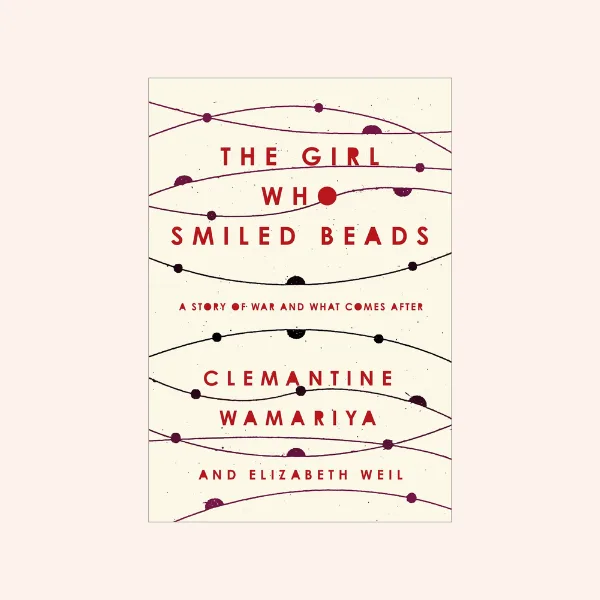
In 1994, 6-year-old Clemantine and her 15-year-old sister, Claire, were forced to flee Rwanda to escape civil war and spend six years wandering through seven African countries, surviving uncertainty and growing up far too quickly.
This memoir is a story of displacement, sisterhood, survival, and the invisible weight people carry long after reaching safety. It is a heartbreaking and fiercely human tale of the resilience necessary to rebuild an identity when nearly everything familiar has been taken away. It refuses easy narratives and remains with you long after the last sentence.
While the Earth Sleeps We Travel by Ahmed M. Badr
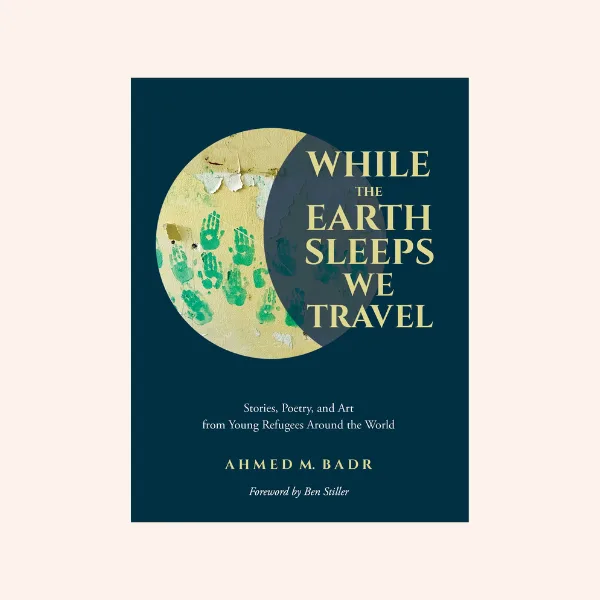
This collection uplifts the voices of young people living through migration, loss, and reinvention. Through poetry, personal stories, and visual art, the reader is introduced to characters across the globe who wrestle with belonging, memory, survival, and what it means to create home in unfamiliar places.
At its core, this book is a reminder that storytelling can be equal parts reflection, resistance, healing, and survival.
Lupita Mañana by Patricia Beatty

After the tragic death of the patriarch upends the family’s livelihood, Lupita and her brother leave everything familiar behind and head north, carrying far more responsibility than what children should carry. What they find is exhausting work, constant uncertainty, and the pressure of surviving in a place that doesn’t always welcome them.
Through Lupita’s determination, the story explores the emotional cost of migration, the bonds of family, and the stubborn persistence required to keep moving forward. This compelling young adult historical fiction novel is about what people are willing to risk when tomorrow depends on it.
Call Me American by Abdi Nor Iftin
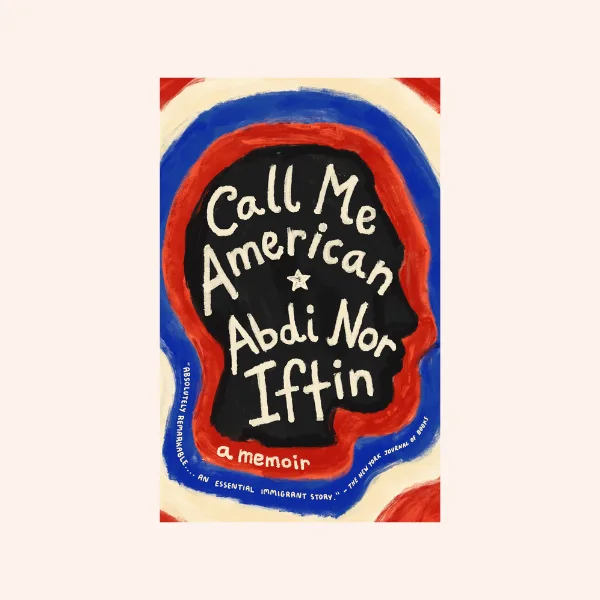
This coming-of-age story follows a young boy who built his understanding of America through music, movies, and imagination long before his eyes ever had the chance to witness it firsthand. As violence intensifies around him, his love of language and storytelling becomes a lifeline, opening unexpected doors while also placing him at risk.
The journey that follows is anything but straightforward, shaped by displacement, luck, tenacity, and years of navigating systems designed to test endurance.
Lubna and Pebble by Wendy Meddour
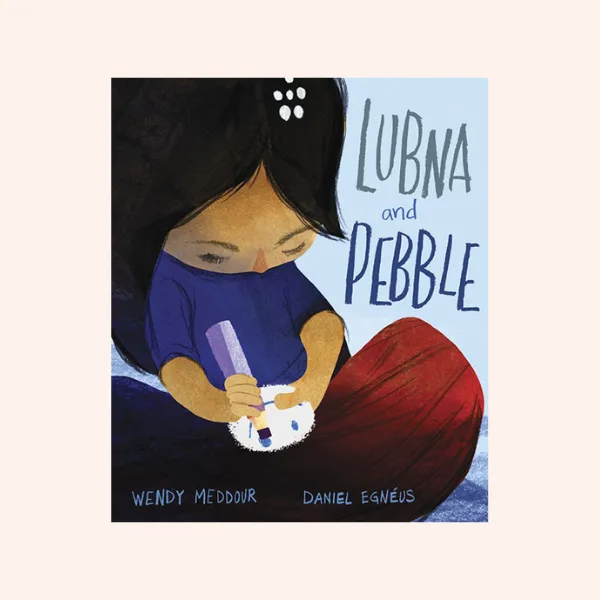
Written for children aged 4 to 8, Meddour’s book captures what fortitude looks like when home suddenly disappears and when comfort has to be rebuilt from almost nothing. Through one small object and an unexpected friendship, little Lubna learns that even the things we treasure most can become acts of care for someone else.
Warm, gentle, and full of heart, this book reminds us that hope can start with small gestures.